

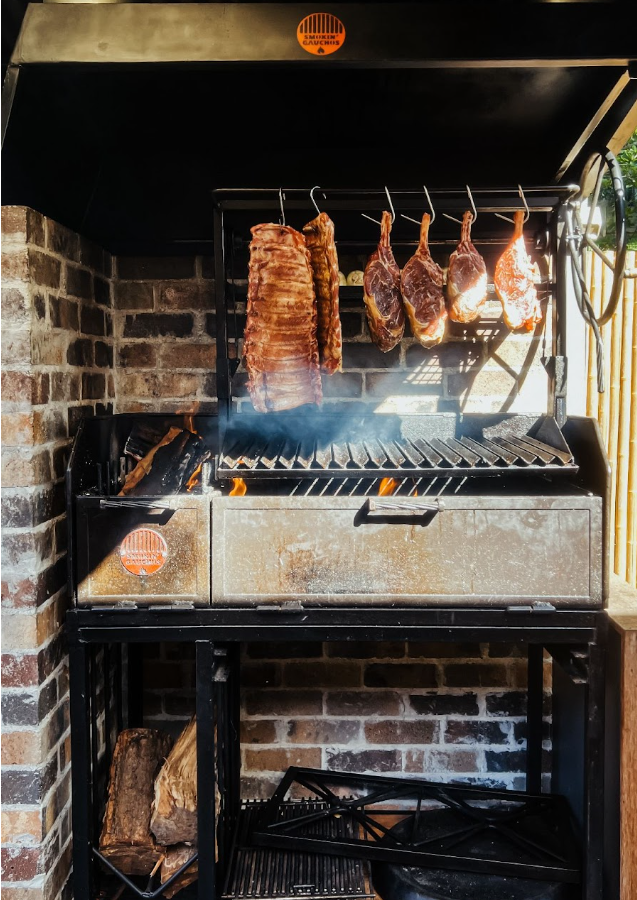

A fire basket earns its place in the backyard when the afternoon light drops, the wood catches cleanly and a few good mates gather close with a glass of red in hand. But open fire asks for respect. Knowing how to use fire baskets safely means you can focus on the meat, the smoke and the company rather than chasing a preventable problem.
A well-built fire basket gives you an elevated, contained fire with airflow underneath – ideal for building the bed of coals that makes live-fire cooking so rewarding. It is not, however, a set-and-forget appliance. Wind, surface choice, fuel, local fire restrictions and the people moving around the fire all matter. Treat the setup as part of the craft.
Start with the right site
Put your fire basket on a level, solid and non-combustible surface. Pavers, concrete and compacted bare earth are generally the right starting point. Timber decking, dry grass, mulch, synthetic turf and a patch of loose leaves are not. Even though the fire sits above the ground, radiant heat and falling embers can scorch or ignite what is below.
Give the basket proper breathing room. Keep it well clear of the house, fence, outdoor furniture, stacked timber, awnings and low branches. The exact distance depends on the basket, the size of fire and the conditions, but more open space is always the safer call. Do not wedge it into a cosy corner just because the wind is up. Corners can trap smoke and heat, while flames can reach nearby surfaces faster than expected.
Look overhead as carefully as you look underfoot. A basket should never sit beneath a pergola, veranda roof, shade sail, umbrella or tree canopy. Smoke blackens structures, but sparks are the real concern. This is especially true with stringybark, gum leaves and other dry Australian backyard fuel lying around.
Before every burn, check the weather and your local rules. Fire bans and local council restrictions are not suggestions, and they can apply even to contained outdoor fires. If there is a Total Fire Ban, extreme fire danger, or strong and gusty wind, save the fire cooking for another day. A quiet night around the coals beats a risky one every time.
Set up before the first match
The best fire management happens before you light anything. Clear a generous circle around the basket of leaves, paper, cardboard, offcuts and other combustible clutter. Keep a bucket of water, a hose or a suitable fire extinguisher within immediate reach. You should not have to run through the house or around the side of the shed if an ember lands where it should not.
Use dry, seasoned hardwood or quality natural charcoal. Damp timber smokes heavily, burns poorly and encourages people to keep feeding the fire in search of more heat. Avoid treated timber, painted offcuts, MDF, pallets, rubbish and driftwood. They can release unpleasant or hazardous fumes, throw erratic sparks and leave contaminants in the ash – not the flavour you want near your food.
Build a modest fire first. A fire basket works well because its open design promotes airflow, so it does not need to be piled high with timber. Start with a small structure of kindling and split wood, then add larger pieces once there is a stable flame. Firelighters made for cooking are fine when used as directed, but never use petrol, methylated spirits or other accelerants. They can flare without warning and turn a straightforward lighting job into a dangerous one.
If you are using the basket to feed coals into a parrilla or cook directly over it, allow time for the fuel to burn down. The strongest flavour and most controllable heat come from a settled bed of glowing coals, not tall flames licking at the meat. Flame has its place for finishing fat or charring vegetables, but coals are where the real work gets done.
How to use fire baskets safely while cooking
Once the basket is lit, it needs an adult nearby at all times. This is not about hovering nervously over the fire. It is about being present enough to notice a wind change, a shifting log or a child edging too close while everyone is busy talking footy and carving the rib eye.
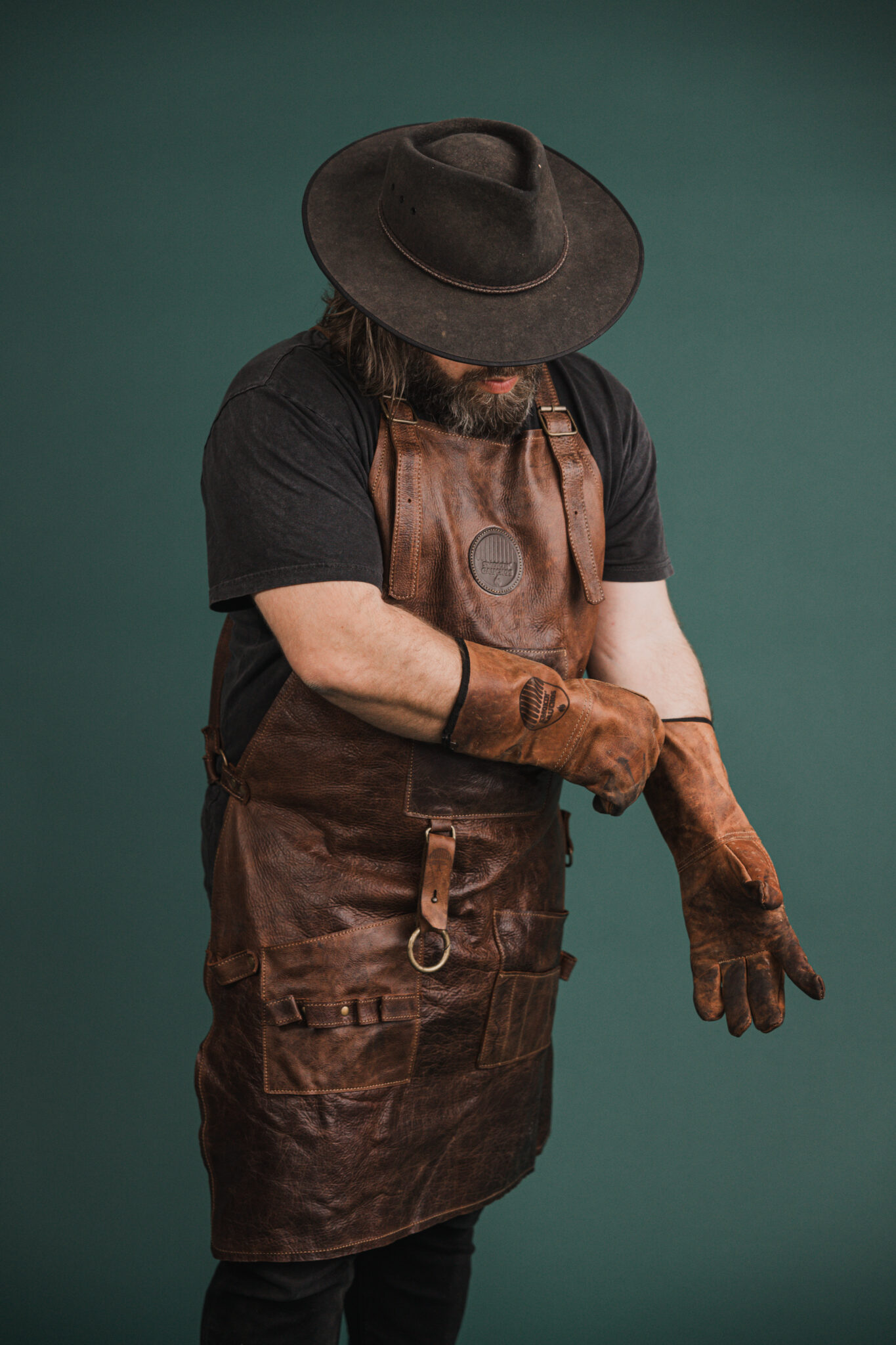
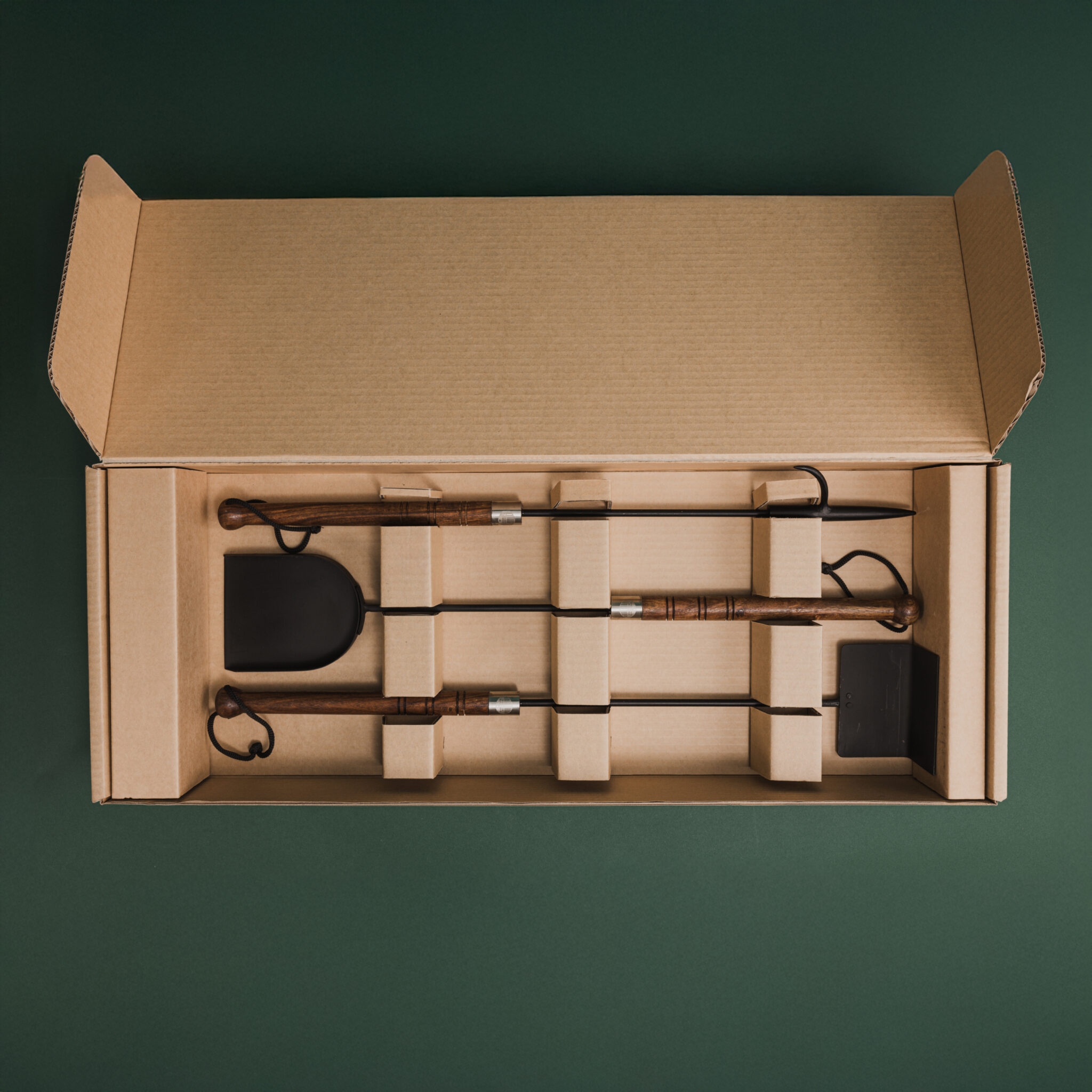
Use long-handled, purpose-built fire tools to move timber and coals. Gloves rated for fire work protect your hands from radiant heat, but they do not make you invincible. Avoid reaching deep into the basket, and remember that metal handles, grill frames and tools left near the flame can become dangerously hot.
Keep children and pets outside a clearly understood no-go zone. If the gathering is lively, establish that boundary before the fire is lit rather than trying to negotiate it later. Guests should also know not to throw anything into the flames, especially cans, bottles, food packaging or cigarette butts. These can burst, melt or produce foul smoke.
Wind deserves close attention throughout the cook. A mild breeze can help a fire burn cleanly; a gust can lift sparks well beyond the basket. If smoke is blowing towards guests, adjust seating rather than dragging a hot basket across the yard. If conditions become unpredictable, stop adding fuel, let the fire reduce and move food to a safer cooking method if needed.
There is also a practical trade-off between heat and control. Bigger logs produce more energy, but they can protrude from the basket and shed embers as they collapse. Use timber sized to sit securely within the fire basket. Add one piece at a time, let it settle, then decide whether you actually need more fuel. A controlled coal bed will cook better than a roaring bonfire nine times out of ten.
Respect the heat after dinner
The fire is not finished when the last steak comes off. Coals can stay hot for many hours, and ash that looks cold can retain enough heat to start a fire in the wrong place. When you are done, stop feeding the basket and spread the fuel carefully with a fire tool so it burns down faster.
Let the basket cool naturally where it stands. Do not tip hot ash into the garden, wheelie bin or compost, and never move a fire basket while there are active coals inside. Water can be used to extinguish the fire when necessary, but add it carefully and steadily. A sudden drench can create a burst of steam, throw ash around and put unnecessary stress on hot steel.
Before you head indoors, confirm the fire is fully out. The coals should be cool enough that no heat remains when you hold your hand above them. Once the ash is completely cold, transfer it with a metal shovel into a metal container with a lid. Keep that container away from combustible materials for a further period before disposal. It is a simple habit that avoids one of the most common backyard fire mistakes.
Care for the basket and it will look after you
A quality steel fire basket is built for hard use, heat cycles and years of good food. It still benefits from a quick inspection before each cook. Check for loose legs, damaged welds, warped grates and excessive corrosion, particularly if it lives outdoors near the coast. Make sure it sits stable before introducing fire.
Empty ash once cold and keep drainage holes clear, as trapped moisture accelerates rust. Surface patina is part of the character of live-fire gear, but standing water is not. Store the basket under cover when it is not in use, or use a fitted cover only after the unit has cooled completely.
At Smokin’ Gauchos, we see fire baskets as more than backyard heating. They are part of the ritual: building a clean fire, working with honest heat and turning simple ingredients into a meal worth lingering over. Safe habits do not take the theatre out of cooking with fire. They give you the confidence to enjoy every crackle, every ember and every long dinner that follows.